- Home
- Applications
- Air and gas purification
Activated carbon for air and gas purification
Gas-phase systems pass air or process gas through a carbon bed that holds odours, solvent vapours and harmful gases. Pellets keep pressure drop low; impregnated carbon catches the gases plain carbon misses.
What it removes or recovers
- Odour from wastewater plants, pumping stations and waste sites
- H2S in biogas, landfill gas and natural gas
- Volatile organic compounds from coating and printing lines
- SO2 and NOx in flue gas
- Fuel vapour from vehicle tanks
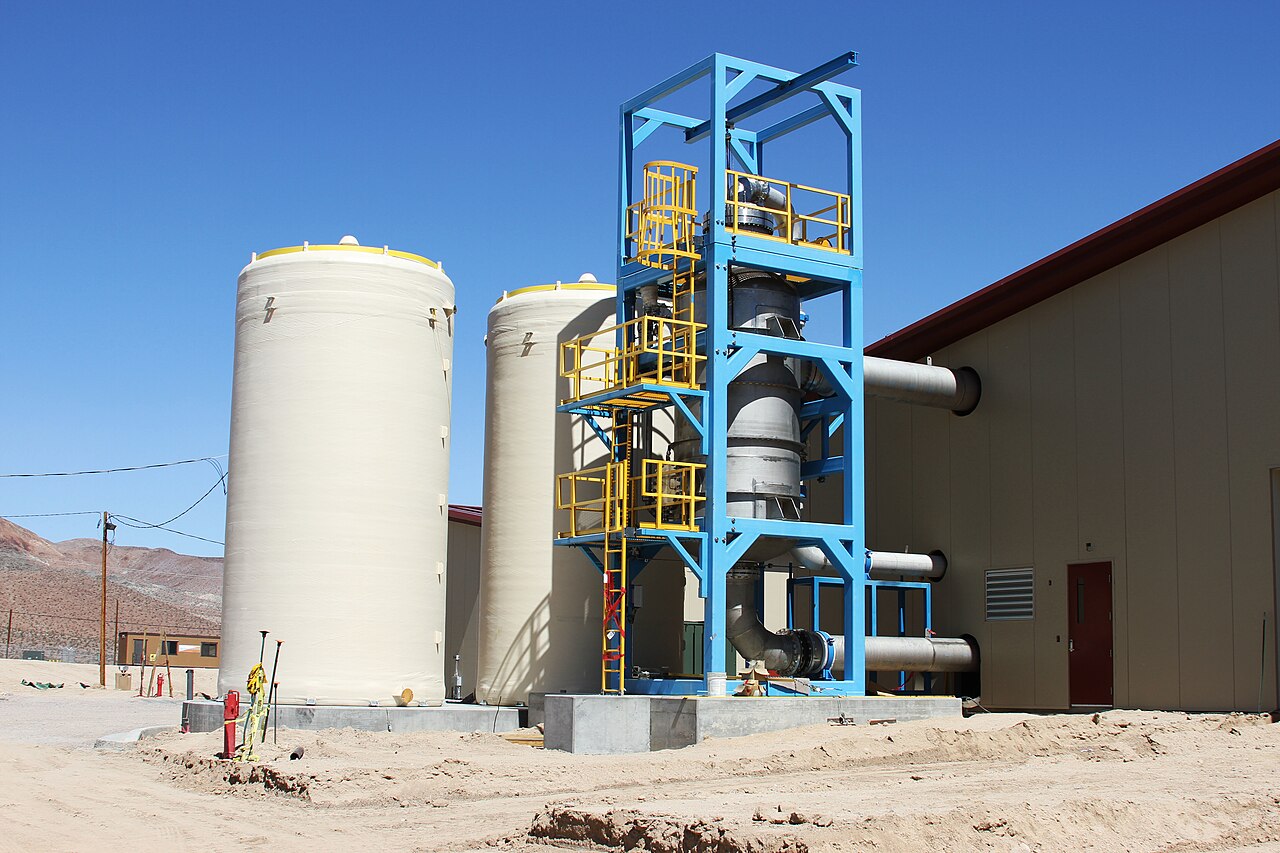
Product lines for air and gas purification
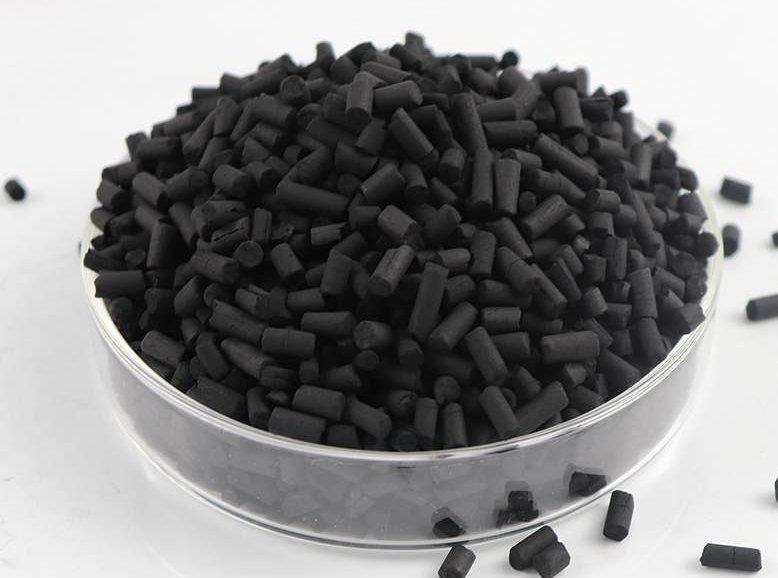
Pellet carbon
Extruded cylinders with low pressure drop, for gas-phase beds and solvent recovery.
Impregnated carbon
Carbon treated with a chemical to catch gases that plain carbon holds poorly.
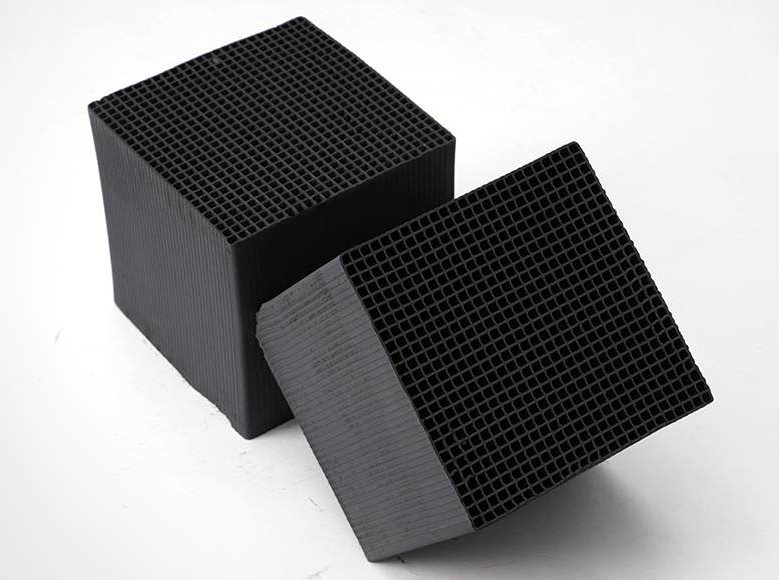
Honeycomb carbon
Coal-based blocks with straight channels, for large air volumes at low pressure drop.
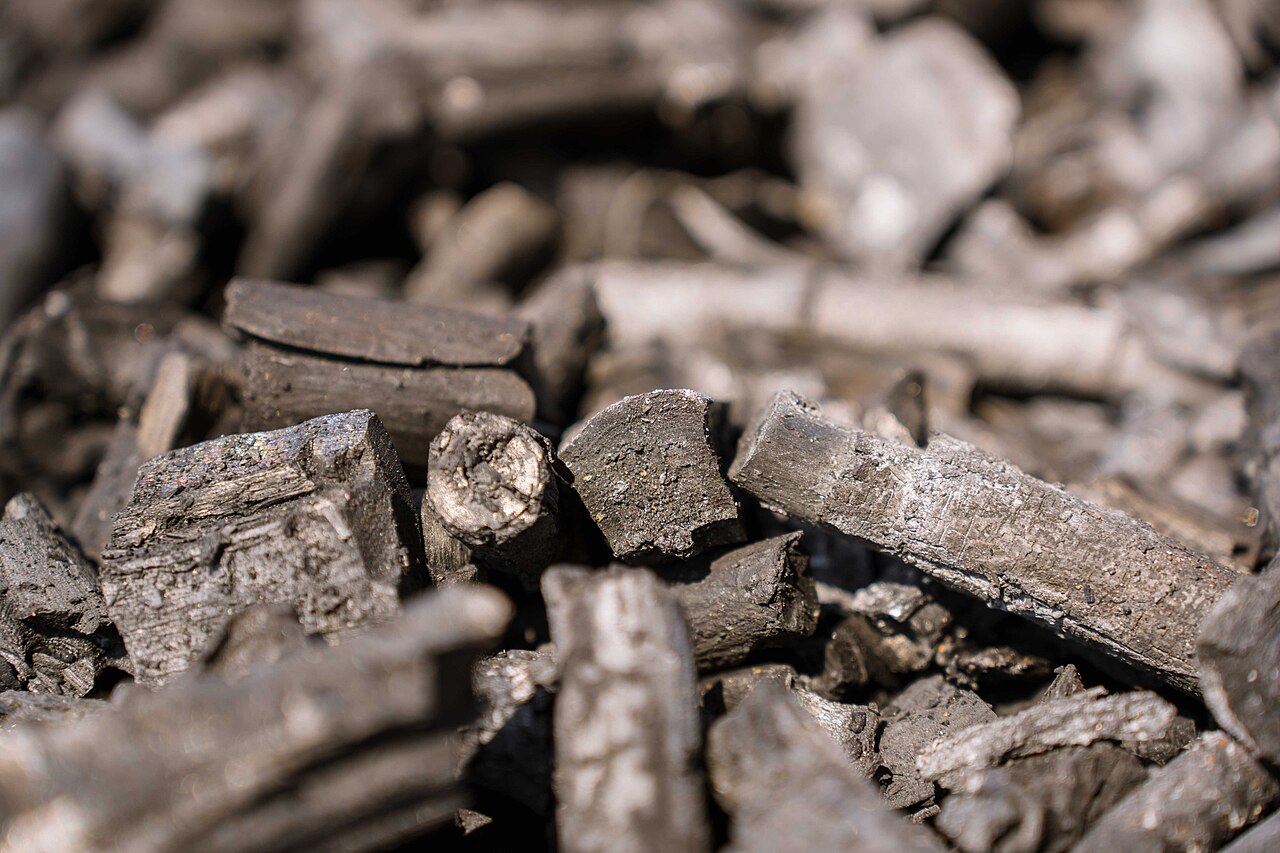
Wood-based carbon
Large-pore carbon from wood for decolorizing sugar, pharmaceuticals and fine chemicals.
Selection notes
- Pellet diameter sets the pressure drop: larger pellets for high flow, smaller for compact beds.
- H2S, acid gases and mercury usually need an impregnated grade; send us the gas analysis.
- CTC value is the usual measure of capacity for vapours and solvents.